Becoming a Floortime therapist is a meaningful path for anyone who wants to support children with developmental differences through play-based, child-led therapy. Whether you’re a teacher, therapist, or early interventionist, DIR Floortime training gives you a structured way to deepen your skills and earn recognized credentials.
What Is a Floortime Therapist?
The DIR Framework Explained
Floortime is part of the DIR model, which stands for Developmental, Individual Difference, and Relationship-based. It was developed by Dr. Stanley Greenspan and Dr. Serena Wieder. The approach focuses on a child’s emotional development and natural interests, rather than drilling specific skills in isolation.
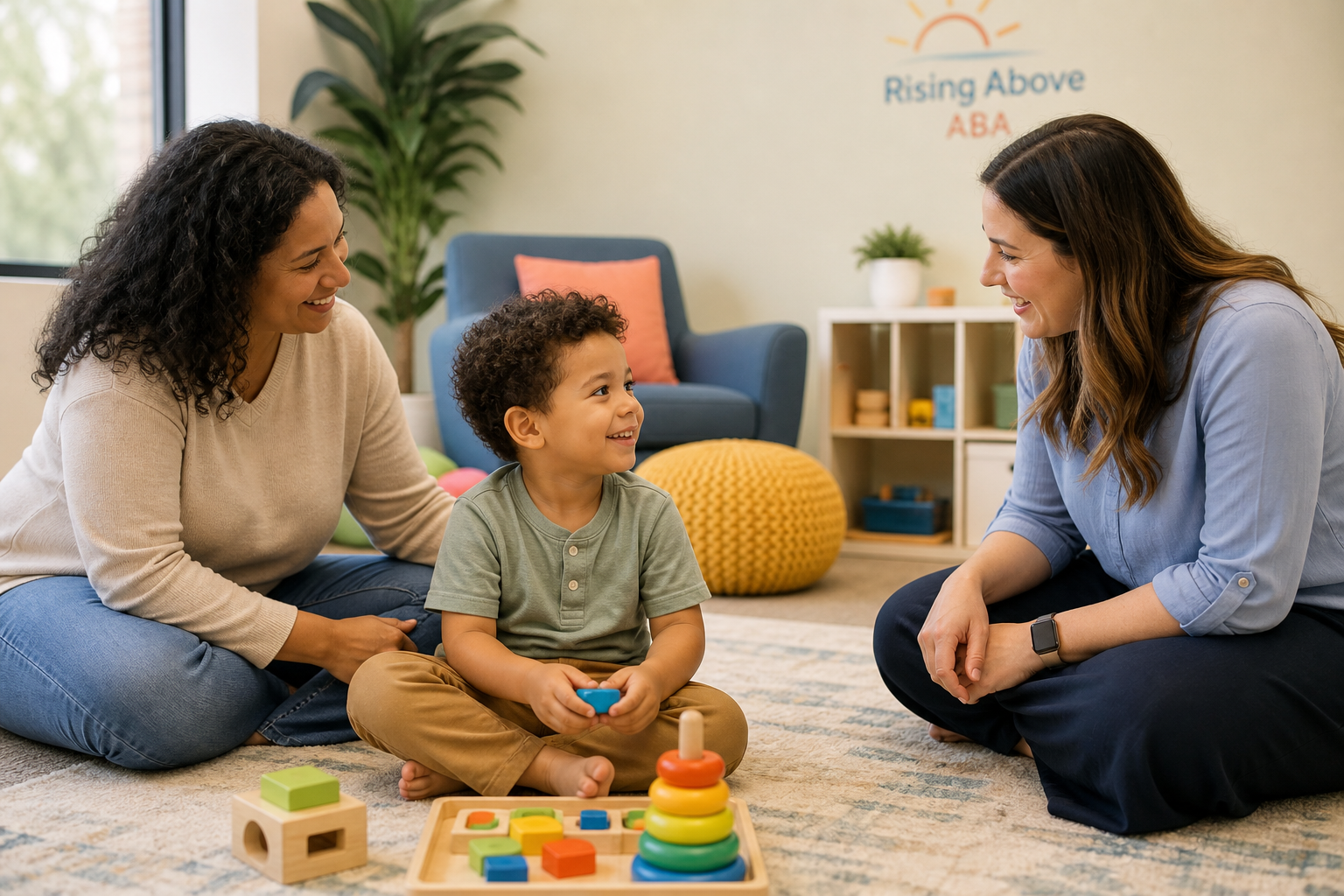
A Floortime therapist gets on the floor with the child and follows their lead, meeting them at their current developmental level. The goal is to use play to build communication, thinking, and emotional connection. The focus is on expanding a child’s world, not correcting behavior.
Who Benefits from Floortime Therapy
Floortime is used most often with children who have autism spectrum disorder, but it also helps kids with sensory processing differences, developmental delays, and communication challenges. Because the approach is relationship-driven and highly individualized, it works well for children who struggle in more structured, directive therapy settings.
How to Become a Floortime Therapist: Step-by-Step
Here is the complete path to becoming a certified DIR Floortime therapist, from experience requirements to final certification.
Step 1: Meet the Experience Requirements
Before applying for certification, you need at least two years of hands-on experience working with children in a developmental context. Acceptable settings include schools, clinics, hospitals, or early intervention programs where you have worked directly with children who have developmental differences.
Self-employed individuals can only apply if they hold an active professional license. Informal caregiving does not count toward this requirement.
Step 2: Complete DIR Floortime Training
DIR Floortime training is offered through the Interdisciplinary Council on Development and Learning (ICDL). Courses range from short 3-hour introductory workshops to the full DIRFloortime Expert program. You can complete most levels fully online, making DIR Floortime training a realistic option for working professionals.
The ICDL’s course catalog lists all available programs, their prerequisites, and current pricing. It’s the most reliable source for up-to-date course information.
Step 3: Pass the Introductory Course or Mastery Test
To qualify for certification, you must complete one of two approved entry points. The first option is to attend a 1–2-day introductory course delivered by Jake Greenspan and Tim Bleecker within the past two years. The second option is passing the Mastery Test for Dr. Greenspan’s Online Professional Course.
Step 4: Learn the Developmental Milestones
A solid understanding of developmental milestones is required for every certification level. There are six basic milestones and three advanced milestones that form the backbone of the DIR Floortime approach.
The six basic milestones are:
- Regulation and Interest in the World: Engaging with people and the environment
- Engagement and Relating: Forming warm, trusting relationships
- Two-Way Communication: Back-and-forth interaction
- Intentional Two-Way Communication: Purposeful gestures and responses
- Problem-Solving and Emotional Thinking: Complex play and shared problem-solving
- Logical Thinking: Abstract reasoning and symbolic thought
The three advanced milestones build on these foundations: Emotional Ideas, Emotional Thinking, and Reflective Thinking. Knowing where a child sits on this map tells you exactly how to guide each session.
Step 5: Apply for DIR Floortime Certification
When you’re ready to apply, you’ll need to submit an up-to-date CV or resume that clearly lists all relevant professional certifications, training completed, and clinical experience. Your application is reviewed against the specific requirements for whichever certification level you’re pursuing.
DIR Floortime Certification Levels
DIRFloortime Assistant (DFA)
The DFA is the entry-level credential, designed for paraprofessionals and support staff who work directly with clients under supervision. There are two routes: a 20-hour training that requires renewal every three years, or a 40-hour training that leads directly to the DIR-Basic Certificate with no renewal needed.
Basic Certificate (DIR-Basic)
DIR-Basic is the foundation credential for practitioners who want to implement Floortime in their work. There are no college or university degree prerequisites for DIR 101 through DIR 202, making this level accessible to a wide range of professionals, including educators and early interventionists.
Certificate of Proficiency (DIR-Proficient)
DIR-Proficient demonstrates a higher level of clinical skill and independent application of the DIR model. At this level, practitioners are expected to conduct their own DIR Floortime assessments and develop individualized intervention plans.
Advanced Certificate (DIR-Advanced)
DIR-Advanced is the most sought-after credential for practicing clinicians. A master’s degree in a related field is typically required at this level. Licensed professionals may be eligible for the fast-track option, which compresses the program into four months instead of twelve.
Expert Certificate (DIR-Expert)
DIR-Expert is the highest level. Experts are qualified to teach official DIRFloortime® Training Program courses and serve as mentors for practitioners at lower certification levels. This credential is intended for senior clinicians and educators who want to train others in the DIR model.
DIR Floortime Training Options
Online Training Programs
ICDL offers the full DIRFloortime® curriculum online, making DIR Floortime training the most flexible path for most people. You can complete foundational courses at your own pace while continuing to work. Online modules include video content, readings, and assessments tied to each certification level.
In-Person Courses
For those who prefer a more hands-on learning environment, in-person training is available through ICDL-approved instructors. The required introductory course with Jake Greenspan and Tim Bleecker is offered in this format. In-person sessions tend to be more interactive and allow direct practice and feedback on Floortime techniques.
Fast-Track Option for Licensed Professionals
Licensed professionals at the master’s degree level or above may qualify for a fast-track route to the DIR-Advanced Certificate. This option compresses the standard 12-month program into 4 months through a combination of targeted coursework, individual mentoring sessions, and active participation in the program. It’s ideal for BCBAs, speech-language pathologists, occupational therapists, and psychologists who want to quickly add DIR Floortime certification to their credentials.
Cost of DIR Floortime Certification
The cost of becoming a certified Floortime therapist depends on the level you’re pursuing. For the DIR-Advanced Certificate, assuming you pass each course on the first attempt, the total program fee is approximately $2,564 USD. This does not include textbooks or supplementary materials, which may add to the overall cost.
Lower-level programs cost significantly less. Fees are set by ICDL and are subject to change, so check their website for current pricing before enrolling.
Applying Floortime in Real Sessions
Creating the Right Environment
A Floortime session works best in a calm, low-distraction space where the child feels safe to explore. The therapist gets down to the child’s physical level, literally on the floor, and joins whatever activity the child is already doing.
Sessions typically run in 20-minute blocks, with six to ten blocks recommended per day for children with autism. The therapist’s job is to gently expand the child’s engagement, not redirect it. Every circle of communication that opens and closes, whether through a look, a gesture, or a word, is a small developmental win.
The Role of Parents in Floortime
Parents are not just observers in Floortime; they are active participants. A Floortime therapist trains caregivers to carry the same interaction style into everyday routines at home. This consistency is what makes the approach effective over time. Autism Speaks describes Floortime as a therapy that’s intentionally designed to involve the whole family, not just the child in a clinic room.
When parents learn how to follow their child’s lead during bath time, meals, or outdoor play, the child gets many more developmental opportunities per day than any clinic-based program alone could provide.
Frequently Asked Questions
How do I become DIR Floortime certified?
Complete two years of child development experience, finish an approved introductory course or mastery test, then apply through ICDL for your chosen certification level.
Can I complete DIR Floortime training online?
Yes. ICDL offers most DIR Floortime training online, allowing working professionals to complete coursework at their own pace from anywhere.
What are the DIR Floortime certification levels?
There are four levels: DIRFloortime Assistant, Basic Certificate, Certificate of Proficiency, Advanced Certificate, and Expert Certificate. Each level has increasing requirements.
How long does DIR Floortime certification take?
The Advanced Certificate typically takes 12 months. Licensed professionals may qualify for a fast-track option that compresses the program into 4 months.
How much does DIR Floortime certification cost?
The Advanced Certificate costs approximately $2,564 USD in course fees, not including materials. Lower-level certifications cost significantly less.
Do I need a degree to start DIR Floortime training?
No degree is required for DIR 101 through DIR 202 or the DFA certificate. Advanced levels, such as DIR-Advanced, have specific degree prerequisites.
What is the difference between DIR and Floortime?
DIR is the full developmental framework. Floortime is the hands-on play-based technique used within that framework to build a child’s developmental milestones.

Give us a call at 888.572.7473 or reach out to our team online to get started—we're looking forward to partnering with your family.